


MS & GI Binding Wire
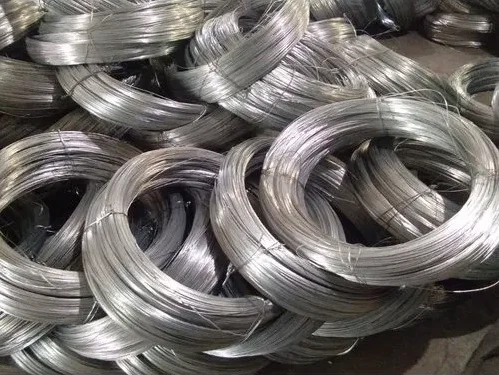
BINDING WIRE is a thin, strong, and flexible steel wire used mainly to tie reinforcement bars (rebars) in construction, ensuring they stay in place before concrete is poured. It is available in galvanized (zinc-coated to resist rust, ideal for outdoor use) and mild steel (untreated, suitable for indoor use) variants. Offered in various gauges and lengths, our binding wire is easy to handle and bend, making it perfect for construction, agriculture, packaging, and crafts. Common uses include tying rebars, securing bags, bundling wires, and fixing mesh or fencing. It’s also used in making nails, screws, and staples. Our high-quality wire ensures strength and long-lasting performance across applications.
Benefits:
Structural Stability
- Secures Rebars – Prevents displacement of reinforcement bars during concrete pouring.
- Ensures Proper Alignment – Keeps reinforcement in the correct position for load-bearing efficiency.
Flexibility & Ease of Use
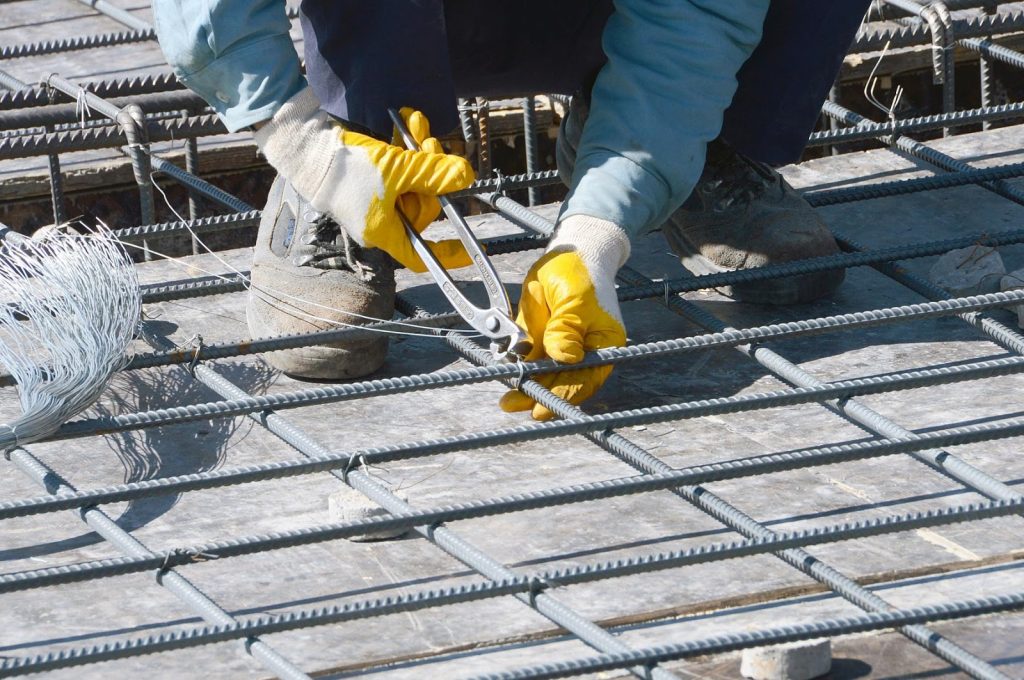
- Soft & Ductile – Easy to twist and tie manually or with tools.
- Quick Installation – Reduces labor time in reinforcement fixing.
Durability & Strength
- Strong Holding Power – High tensile strength ensures rebars remain in place.
- Corrosion Resistance – Galvanized or coated binding wire resists rust in humid conditions.
Cost-Effective
- Economical Solution – Small quantity required for effective rebar fixing.
- Reduces Wastage – Easily cut and adjusted to required lengths.
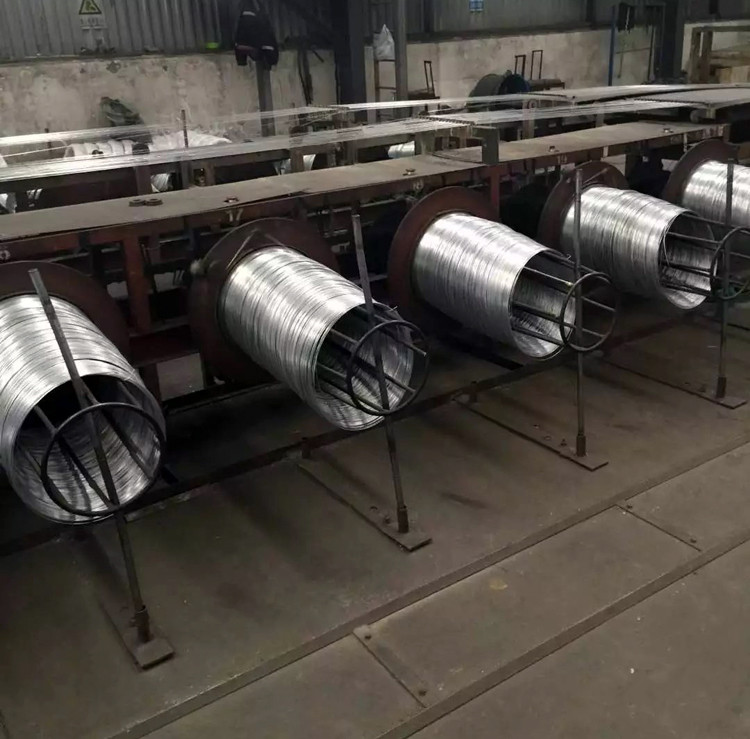
Types Of Binding Wire:
Mild Steel (MS)
Binding Wire
Most commonly used, affordable, and flexible.
Galvanized Binding
Wire
Coated with zinc for rust protection.
PVC-Coated
Binding Wire
Extra corrosion resistance for extreme conditions.
Stainless Steel
Binding Wire
High strength and corrosion resistance for special applications.
Applications:
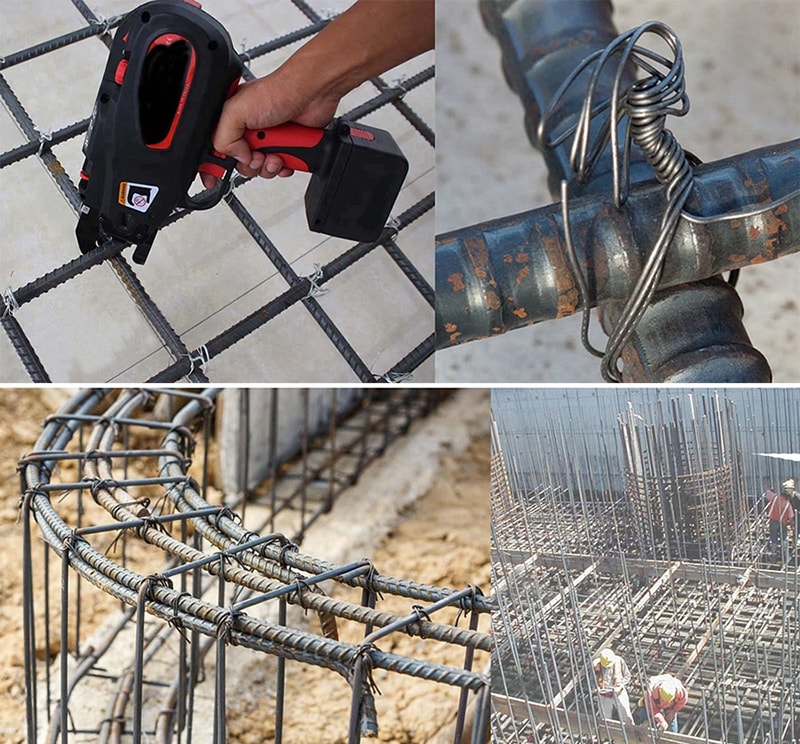
1. Reinforcement Tying
- Tying rebar in columns, beams, and slabs for strong RCC structures
- Securing stirrups and spacing maintainers in RCC construction.
- Binding mesh or cages used in foundations and precast concrete elements.
2. Masonry Work & Fencing
- Used in brickwork reinforcement to provide stability.
- Tying mesh in fencing & boundary walls.
- Securing barbed wire or chain link fences to posts and support structures.
4. Industrial & General Applications
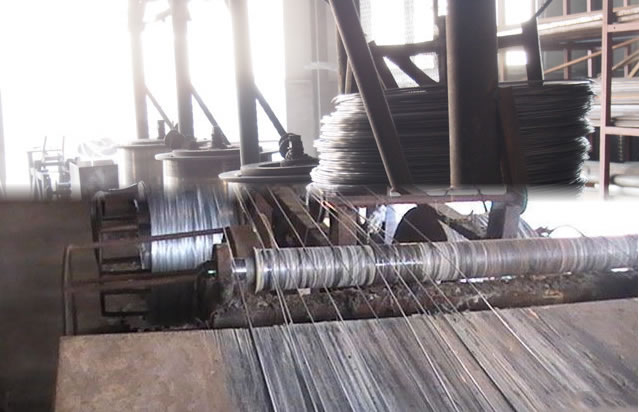
- Wire mesh manufacturing for various industries.
- Bundling construction materials like pipes, rods, and cables.
- Tying and packaging finished goods in warehouses and production units.
- Used in making nails, screws, and other fasteners as raw material in manufacturing.
Weight & Consumption Estimation
- Average binding wire consumption – 8 to 10 kg per ton of steel reinforcement.
- Standard Binding Wire Gauge – 16 to 20 SWG (1.6mm – 1.2mm).
- 1kg of binding wire ties – approximately 140 to 150 rebars (depending on thickness).